
Reginaqsoftware · interfaces · publishing

A London studio for clear software · Blackheath, SE3

Products, made legible.

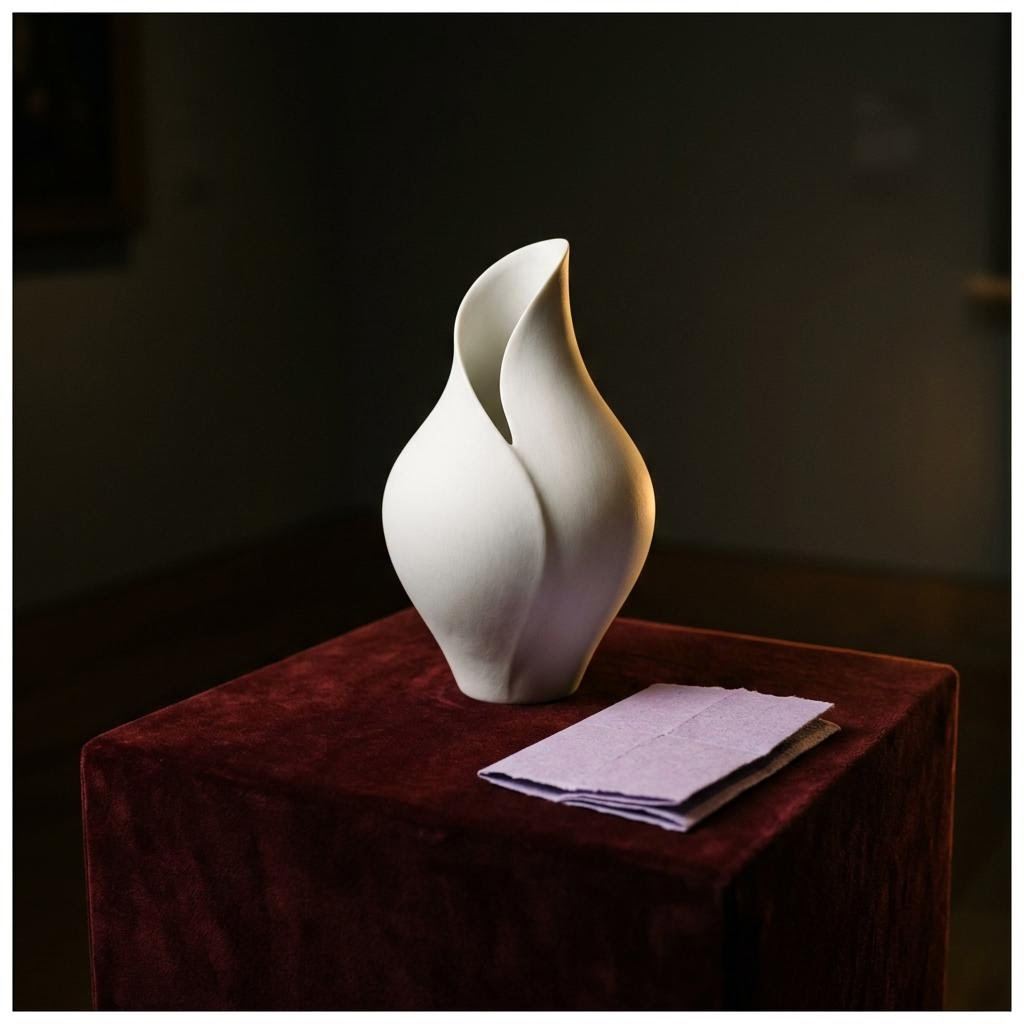
Still life: a porcelain object and folded lilac paper on an oxblood plinth under warm light
Plate I. Still life commissioned as an emblem of the studio; not a product.

Reginaq designs and builds web applications, mobile apps and publishing systems whose purpose is visible at first glance. We believe a product should explain itself: what it is for, what to do next, and what just happened.

Begin an enquiryVisit the atelier

The thesis

Most software is not too simple. It is unclear. Features are hidden behind vague words, screens ask for decisions without explaining their consequences, and teams cannot say in one sentence what the product is for.

We work on that clarity at every layer: the one sentence that describes the product, the arrangement of screens, the wording on each button, the structure of the code, and the release notes that tell people what changed. The result tends to be smaller, calmer software that people trust.

The collection of capabilities

The clarity ladder

We assess every product against five rungs. Each must hold before the next is worth climbing; polishing visuals on a product whose purpose is muddled rarely helps.

  1. PurposeCan the team say what the product is for in one sentence?
  2. StructureDo the sections and screens follow the way people think about the task?
  3. WordingDoes each label, button and message say exactly what will happen?
  4. FeedbackDoes the product confirm what just happened and what comes next?
  5. FinishType, colour, spacing and motion that reward attention without demanding it.
Engraving-style artwork of nested golden rectangles on lilac paper, suggesting wireframes
Plate III. Engraved study of nested frames; decorative artwork.

Mobile and web, considered together

Many products live in two places at once: a web application for detailed work at a desk and a mobile app for the quick, frequent moments. We design them as one product with two postures, sharing vocabulary, data and rules, so nobody has to learn the same thing twice.

Engineering follows the same principle. A well-defined API sits at the centre; web and mobile are clients of equal standing. Code is written to be read, with tests on the behaviour that matters and documentation that a successor could follow.

Mobile and web in detail

A button labelled “Submit” tells you nothing. A button labelled “Send booking request” tells you what will happen, to whom, and that it is not yet confirmed.

This is what product design means to us: hundreds of such small decisions, made deliberately. We map tasks, write the words, prototype the flows, test them with people and turn the result into a component library the developers use directly. Read about product design.

From the atelier

Three small instruments for clarifying your own product. Here is one; the contrast measure and the brief composer are in the atelier. They run entirely in your browser and are offered as illustrations of our method.

Instrument I · Illustrative

The value and effort plate

List candidate features and judge each on value to users and effort to build. The plate arranges them into four quadrants: do first, plan carefully, quick refinements and reconsider. The judgement is yours; the drawing simply makes it visible.

Do firstPlan carefullyQuick refinementsReconsider effort →value →

Publishing, as part of the product

Publishing is where clarity is tested in public. A store listing, a release note or a help article is part of the product, and we write and design them with the same care. We prepare App Store and Google Play submissions, set up editorial workflows for content-led products, and plan launches so that the moment of release is quiet and controlled.

  • Store listings, screenshots and privacy declarations
  • Release notes written for readers
  • Editorial systems and preview environments
  • Help centre structure and articles
  • Launch and rollback planning

The practice, in seven commitments

  1. We write the one-sentence purpose before the first screen.
  2. You see working software every two weeks.
  3. Estimates are ranges, with the assumptions shown.
  4. Accessibility is designed in, then checked.
  5. Every change is reviewed by a second person.
  6. Your code, designs and accounts belong to you.
  7. We say plainly when something is outside our competence.
The full practice

Care after release

Products need tending. We offer support during weekday working hours, Monday to Friday, 09:00 to 18:00 London time, with routine updates, small refinements and a written record of every change. The scope and acknowledgement times are agreed in writing for each product; we do not promise round-the-clock cover.

Support

From the reading room

An illustrative study · invented example, not a client

How a clarity review reads

Before

A community booking app opens on a dashboard of six equal tiles. New users hesitate: is “Sessions” the same as “Bookings”? The main button says “Submit”, and nothing confirms whether a place was actually reserved. Cancellations live three screens deep, so people simply fail to attend.

Observations

The purpose sentence, once written, is “help residents reserve and manage a place at a local session”. Only two of the six tiles serve it. Two words describe one thing. The product never tells people what happened after they act.

After

The home screen shows upcoming sessions and your own bookings, nothing else. One word, “booking”, is used throughout. The button reads “Reserve my place”, followed by a clear confirmation with a visible way to cancel. The remaining features move to a quieter menu.

A review of this kind usually takes two weeks and ends with a written, illustrated report ranking changes by likely benefit and rough effort. Whether we then build the changes, or your own team does, is entirely your choice.

Questions often asked

Do you only work in London?
Our registered address is in Blackheath, south-east London. We work remotely with organisations across the United Kingdom and meet by appointment.
Can you work with our existing developers?
Yes. Many engagements pair our design and clarity work with an in-house engineering team, or the reverse.
Do we need a large budget?
No. A fixed-fee study is a modest, contained way to begin, and its report is useful whoever does the work.
Who owns the work?
You do: code, designs, content and the accounts that hold them.

Colophon

REGINAQ LIMITED is a private limited company registered in England, at 21 The Plantation, London, England, SE3 0AB. We correspond by email at solutions@reginaqlim.trade during working hours, Monday to Friday, 09:00 to 18:00. Meetings are arranged by appointment.

Begin an enquiry